 EN
EN

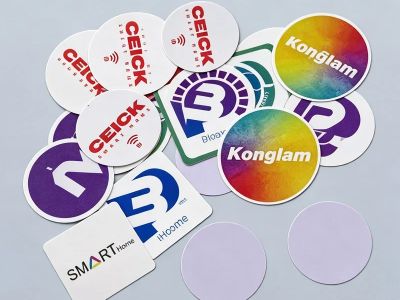
Elevating your brand with hang tags can significantly enhance product visibility and consumer recognition in competitive markets. Hang tags serve not only as essential product identifiers but also as marketing tools that convey your brand's message, values, and unique selling points. For B2B buyers, understanding how to effectively utilize hang tags is crucial to improving brand perception and driving sales. This article will delve into the importance of hang tags in wholesale markets, key specifications to consider, quality evaluation, cost factors, and installation guidance to maximize your branding efforts.
How Hang Tags Enhance Brand Recognition in Wholesale Markets?
Hang tags are a vital branding element in wholesale markets, providing an opportunity to communicate with potential buyers and end consumers. By displaying your brand logo, product details, and pricing information, hang tags can differentiate your products from competitors. This differentiation is especially crucial in wholesale environments where numerous options exist.
Moreover, well-designed hang tags can create an emotional connection with the consumer, effectively conveying the brand's story and values. For instance, a tag that communicates sustainability practices can resonate with environmentally-conscious buyers. Additionally, they can also include QR codes leading to your website or social media pages, further engaging customers and driving traffic to your online platforms.
To effectively leverage hang tags for clothing, it is essential to ensure they align with your overall branding strategy, including color schemes, fonts, and messaging. This cohesion strengthens brand recognition and fosters trust among buyers, ultimately influencing purchasing decisions.
Key Specifications to Consider When Choosing Hang Tags for Products
When selecting hang tags, several specifications should be taken into account to ensure they meet your branding and product requirements:
Material: The choice of material affects durability, appearance, and cost. Common materials include cardstock, plastic, and recycled options. Selecting the right material is crucial; for instance, a thicker cardstock may convey premium quality, while eco-friendly materials can enhance a brand's image.
Size and Shape: Hang tags come in various sizes and shapes. The dimensions should be appropriate for the product and the information displayed. Oversized tags may overwhelm the product, while too-small tags may not effectively communicate essential details.
Printing Techniques: The printing method can impact the visual appeal and durability of the tag. Options such as digital printing, offset printing, or screen printing should be evaluated based on the desired finish, color vibrancy, and production volume.
Finishing Options: Various finishes, like matte, gloss, or UV coating, can enhance the look and feel of the hang tag. Finishing can also add protection against wear and tear, which is particularly important for retail environments.
Attachment Method: The way hang tags are attached to the product can vary. Options include string, plastic fasteners, or adhesive. Each method has different implications for presentation and ease of use, so consider what best suits your product type.
Choosing the right specifications ensures that your custom hang tags not only look appealing but also function effectively in communicating your brand message.
Evaluating the Quality of Hang Tags for Reliable Brand Representation
Quality is paramount when it comes to hang tags, as they reflect your brand's image. To evaluate the quality of hang tags before placing bulk orders, consider the following factors:
Material Thickness: A thicker material often indicates better durability and a higher perceived value. It’s advisable to request samples to assess the thickness and feel of the hang tags.
Print Clarity: Ensure that text and images are sharp and clear. Poor print quality can detract from your brand image. Reviewing samples can help verify that the printing meets your standards.
Color Accuracy: Colors should match your branding guidelines. Pantone color matching or digital proofs can be used to ensure color fidelity before mass production.
Finishing Quality: Check for consistent finishes and any defects such as scratches or uneven coatings. Quality control during production is essential for maintaining high standards.
Durability Tests: If your products will be exposed to various conditions (e. g., moisture, handling), it’s wise to conduct durability tests on samples to ensure they withstand typical retail environments.
Taking these steps will help ensure that your custom hang tags for clothing reliably represent your brand and enhance your product's appeal.
Cost Factors for Bulk Orders of Custom Hang Tags Explained
Understanding the cost factors involved in ordering hang tags in bulk is essential for maintaining budget control while ensuring quality. Here are the primary cost considerations:
Material: The choice of material significantly impacts cost. Premium materials will naturally cost more, but they can also elevate the perceived value of the product. Discuss options with your supplier to find a balance between quality and budget.
Quantity: Generally, the larger the order, the lower the per-unit cost due to economies of scale. It’s advisable to evaluate your production needs and forecast demand to determine the most economical order quantity.
Printing Complexity: More complex designs with multiple colors or special finishes (like embossing or foil stamping) typically incur higher costs. Simplifying the design can reduce costs without sacrificing brand identity.
Setup Fees: Some manufacturers charge initial setup fees for custom printing. Be sure to inquire about these fees when requesting quotes, as they can vary widely.
Shipping Costs: Consider the shipping logistics, especially if sourcing from overseas. Shipping costs can add significantly to the overall price, so understanding lead times and delivery methods is crucial for budgeting.
By analyzing these cost factors, buyers can make informed decisions that align with both quality expectations and budget constraints.
Installation Guidance for Effective Use of Hang Tags in Retail
Proper installation of hang tags is essential for maximizing their effectiveness in retail settings. Here are some practical tips for effective use:
Placement: Hang tags should be positioned in a way that they are easily visible to customers. Typically, they are attached to the product’s packaging or directly to the product itself. Ensure they do not obstruct product features or details.
Attachment: Choose an attachment method that complements the product and is secure. Tags that are easily detached may lead to loss or damage, impacting brand representation.
Orientation: Make sure that the hang tag is oriented correctly for viewing. Tags should be easy to read from the customer's perspective, which often means positioning them at eye level.
Maintenance: Regularly check that hang tags remain attached and in good condition throughout the product's display life. Damaged or missing tags can lead to a negative perception of the product and brand.
Seasonal Updates: If applicable, consider updating hang tags seasonally to reflect promotions or new product features. This keeps the display fresh and engaging for return customers.
By following these guidelines, you can ensure that your hang tags effectively contribute to your brand's visibility and consumer engagement, ultimately driving sales in retail environments.
Table of Contents
- How Hang Tags Enhance Brand Recognition in Wholesale Markets?
- Key Specifications to Consider When Choosing Hang Tags for Products
- Evaluating the Quality of Hang Tags for Reliable Brand Representation
- Cost Factors for Bulk Orders of Custom Hang Tags Explained
- Installation Guidance for Effective Use of Hang Tags in Retail