 EN
EN

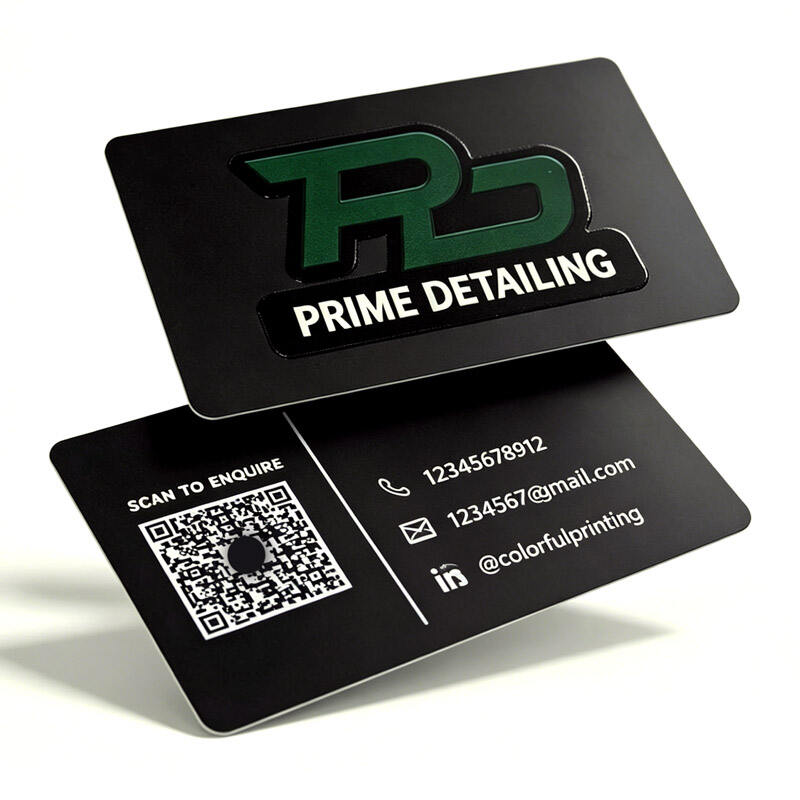
RFID cards and proximity cards are two types of smart cards that help us with many things. They are used in places like schools, offices, and even in our homes. Both types of cards can keep things secure, but they work in different ways. This article will explain what makes RFID cards and proximity cards different from each other. We will also talk about how RFID technology can make places safer and what wholesale buyers need to know about both types of cards. At Colorful, we understand the importance of these technologies in everyday life.
How RFID Technology Enhances Security Compared to Proximity Cards
RFID, or Radio Frequency Identification, is a technology that uses radio waves to communicate data. RFID cards have a tiny chip and an antenna. When you bring the card close to an RFID reader, it sends and receives data. This means RFID cards can work from a distance, sometimes up to several feet away. This feature can improve security. For example, if someone tries to access a restricted area, the RFID reader can detect unauthorized cards quickly. On the other hand, proximity cards also use radio waves but have a shorter range. They usually need to be held very close to the reader, often just a few inches away. This can be less secure because someone might accidentally or intentionally get too close. RFID technology can help protect sensitive areas better, as it reduces the chances of someone using a card they shouldn't have.
What Wholesale Buyers Need to Know About RFID vs Proximity Cards
For wholesale buyers, understanding the difference between RFID and proximity cards is important. When choosing which type to buy, you should think about what you need the cards for. RFID cards can be more expensive than proximity cards because they are more advanced. However, they offer more benefits in terms of security and functionality. If you are working on a big project, like setting up a new office building, RFID cards might be a better investment. They can help you manage access to different areas and keep track of who is where. Colorful offers various RFID solutions that can be customized for your needs. This means you can choose the features that are right for your project.
RFID vs Proximity Cards Explained
RFID stands for Radio Frequency Identification. It uses special radio waves to send information between a card and a reader. The blank rfid cards have a small chip inside that stores information. When you bring the card close to a reader, the reader sends out a signal. The card picks up this signal and sends back the information. This helps things like keeping track of items in a store or allowing someone to enter a building. Proximity cards are a type of RFID card. They work in a similar way but are designed to be used at a very close range. Usually, you only need to be within a few inches of the reader for the card to work. This makes them very useful for security purposes, like unlocking doors. The main difference between regular RFID cards and proximity cards is the distance they can work from. RFID cards can often work from further away, while proximity cards require you to be much closer. Both types of cards are very useful and have made many tasks easier for people.
Where Are RFID and Proximity Cards Commonly Used in Industries?
RFID and proximity cards are used in many industries. One common place you will find them is in schools. Many schools give students custom rfid cards to help them check in and out. This way, schools can easily keep track of who is in the building. In hospitals, RFID cards help doctors and nurses find equipment quickly. They can scan the card to see where a piece of medical equipment is located. This saves time and helps doctors take better care of patients. Retail stores also love using RFID technology. They can track inventory better and know how many items are on the shelves. This helps them avoid running out of popular products. Proximity cards are often used in workplaces to control access to certain areas. For example, at Colorful, we use proximity cards for our employees to enter secure areas, like the server room. This keeps sensitive information safe. Another industry where you can find these cards is in public transportation.
Shaping the Future of RFID and Proximity Card Technology?
The future of RFID and proximity card technology is bright and exciting! One big trend is the move towards using smartphones instead of rfid hotel cards use their phones for payments, like buying coffee or taking the bus. Soon, you may see more people using their phones to access buildings or pay for things instead of using a card. This change is happening because smartphones are everywhere, and they can store lots of information. Another trend is improving the security of these cards. As technology grows, so do the risks. Companies like Colorful are working on making sure that the information on RFID and proximity cards is safe from people who might want to steal it. This includes adding extra layers of security and using better encryption, which is a way of coding information so that only the right people can read it.