 EN
EN

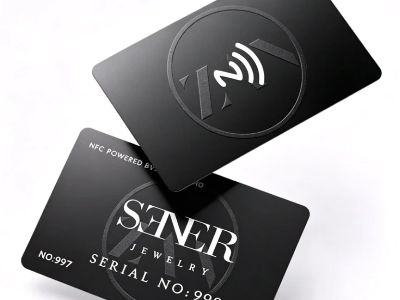
Unlocking the power of RFID cards is essential for modern businesses seeking efficiency and innovation. These smart devices are crucial in various applications, from inventory management to access control. As a B2B buyer, you may have concerns about specifications, costs, and compatibility. This comprehensive guide will help you navigate the complexities of rfid card, ensuring you make informed decisions that align with your business needs.
How to Choose the Right RFID Card for Your Business Needs?
Selecting the right RFID card begins with understanding its intended application. RFID cards vary in frequency (low, high, and ultra-high frequency), which affects their read range and data transfer speed. For example, low-frequency cards (125 kHz) are ideal for access control due to their short-range capabilities, while high-frequency cards (13.56 MHz) are suitable for applications requiring faster data transfer, such as payment systems.
Consider the card's memory capacity, which determines how much information can be stored and accessed. Additionally, think about the physical aspects, such as card size and material. The custom rfid cards can be made from PVC, PET, or other materials, each offering different levels of durability and flexibility. For outdoor applications, choosing a card with weather-resistant features is crucial.
Finally, assess the card's compatibility with existing systems. Ensure that the RFID technology aligns with your current hardware and software solutions to avoid costly upgrades or replacements.
Cost Factors Involved in Bulk Ordering RFID Cards
When ordering RFID cards in bulk, several cost factors come into play. The primary elements include design complexity, material selection, and quantity. Custom designs that require unique branding or specialized features, such as holograms or custom shapes, will typically increase unit costs.
Material choice also influences pricing. For instance, PVC cards are generally more affordable than more durable options like polycarbonate. Additionally, the card's printing method affects costs; offset printing is often more cost-effective for larger orders compared to digital printing.
Minimum order quantities (MOQ) can also impact your budget. Manufacturers like COLUF typically offer lower prices for larger quantities. Therefore, consolidating orders or planning for future needs can lead to substantial savings.
Benefits of Custom RFID Cards for Enhanced Brand Identity
Custom RFID cards serve as more than just functional tools; they are a powerful branding opportunity. By incorporating your company logo, colors, and unique designs, you can enhance your brand identity and create a cohesive look across your operations.
In addition to aesthetics, custom RFID cards can feature additional security measures, such as embedded chips or tamper-evident seals, which can help protect your brand from counterfeit products. Customization also allows for the inclusion of specific data relevant to your business operations, improving efficiency.
Furthermore, personalized RFID cards can enhance customer experience. For instance, loyalty cards can be designed to offer discounts or rewards, encouraging repeat business and fostering customer loyalty.
What Buyers Should Know?
When preparing to purchase RFID cards, buyers should gather specific information to ensure a smooth transaction. First, clarify the type of RFID technology required for your application, whether it be passive or active. Passive pvc rfid card, for instance, are powered by the reader, while active cards contain their power source and can transmit signals over longer distances.
Next, consider your project's timeline. Lead times for RFID card production can vary significantly based on the complexity of the order and the manufacturer's workload. Always confirm the expected delivery date before placing an order.
Quality assurance is also critical. Before mass production, request samples to verify that the cards meet your specifications. Inspect critical factors such as read range, durability, and overall appearance. This step helps prevent issues during large-scale deployment.
Unlocking New Possibilities in Business
RFID technology can unlock new opportunities across various industries, from logistics to healthcare. In logistics, RFID cards streamline inventory management by providing real-time tracking of products throughout the supply chain. This leads to improved efficiency and reduced errors in stock management.
In healthcare, RFID cards enhance patient safety and operational efficiency. By using RFID-enabled wristbands, hospitals can track patient movements and medication administration, reducing the risk of errors and improving overall patient care.
Additionally, RFID technology can facilitate contactless payment systems, enhancing customer convenience and reducing transaction times. As businesses continue to seek innovative solutions, integrating RFID cards can provide a competitive edge, driving operational improvements and customer satisfaction.
By understanding the various aspects of RFID cards, buyers can make informed purchasing decisions that align with their business goals. Whether you are looking for a reliable supplier or exploring customization options, this guide serves as a foundation for unlocking the full potential of RFID technology in your operations.