 EN

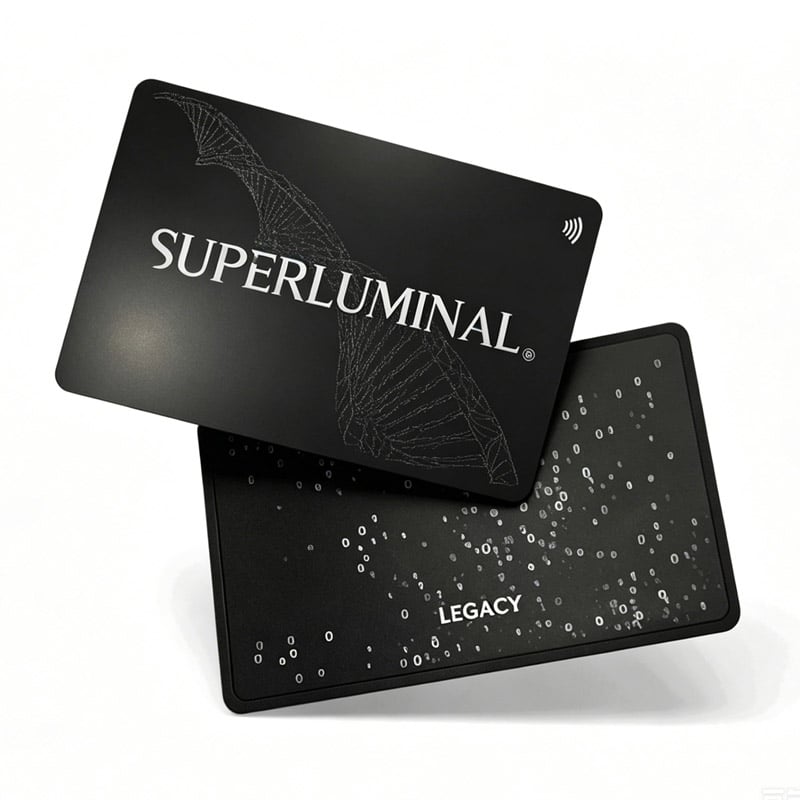
NFC cards, or Near Field Communication cards, are a form of contactless technology that allows for data exchange between devices at close range. They are increasingly popular in various applications, from mobile payments to access control systems. For B2B buyers, understanding how NFC cards work is crucial for evaluating their suitability for specific applications, assessing quality, and making informed purchasing decisions. This article will help importers, distributors, and contractors navigate the complexities of NFC card technology, ensuring they choose the right products for their needs.
A Guide for Importers and Distributors
When considering NFC cards for import or distribution, it’s essential to understand their key features and specifications. NFC cards typically contain an embedded chip and antenna, enabling data transmission when in proximity to an NFC-enabled device. Key specifications to consider include:
Memory Capacity: Different NFC applications require varying amounts of data storage. Consider the memory size needed for your specific use case, such as for payments or information sharing.
Operating Frequency: NFC operates at a frequency of 13.56 MHz, which is standardized for compatibility across devices. Ensure that the cards you choose align with this standard for broader usability.
Form Factor: NFC cards can come in various shapes and sizes, including credit card formats and wristbands. Assess which form factor best suits your market needs.
Additionally, it’s important to evaluate the card's compatibility with existing systems, whether for payment processing or access control, to ensure seamless integration.
Quality Considerations for Contractors
Contractors must prioritize quality when sourcing NFC cards, as the performance and durability of these products can significantly affect their applications. Consider the following quality factors:
Material Selection: NFC cards can be made from various materials, including PVC, PET, and paper. PVC offers durability and resistance to wear, while PET is more eco-friendly. Choose materials based on the intended use and environmental considerations.
Certifications: Look for cards that comply with international standards, such as ISO/IEC 14443, to ensure reliable performance. Certifications can also indicate adherence to safety and quality benchmarks.
Quality Control Processes: Understand the manufacturer’s quality control measures. A robust QC process should include testing for signal strength, durability tests, and verification of data integrity.
By focusing on these quality considerations, contractors can mitigate risks associated with product performance and customer satisfaction.
Cost and Reliability of NFC Card Manufacturing
Cost is a significant factor for B2B buyers when procuring NFC smart card. Several elements influence the pricing structure:
Material Costs: The choice of materials directly impacts the overall cost. High-quality materials may incur a higher upfront cost but can lead to savings in long-term durability.
Customization: Custom designs, such as branding or specific features, will also affect pricing. Be clear about your customization needs when seeking quotes from manufacturers.
Production Volume: Many manufacturers have minimum order quantities (MOQs). Understanding the MOQ can help in budgeting and planning inventory levels while also affecting unit costs. Larger orders typically result in reduced per-unit pricing.
Reliability is equally crucial. Evaluate manufacturers based on their production capabilities and lead times. A reliable supplier should demonstrate a consistent track record of meeting deadlines while maintaining high product quality.
Best Practices for NFC Card Deployment
Deploying NFC cards effectively requires careful planning and execution. Here are some best practices to consider:
Testing and Validation: Before full-scale deployment, conduct thorough testing of NFC cards in real-world scenarios to ensure compatibility and functionality. This step can help identify potential issues early on.
User Training: Educate users on how to properly use NFC cards, whether for payments or access control. Proper training can enhance user experience and reduce operational issues.
Monitoring Performance: Implement a system for monitoring the performance of NFC cards in the field. Collect data on usage patterns and any issues encountered to inform future procurement decisions.
By following these best practices, businesses can maximize the effectiveness of their NFC card deployment and enhance overall user satisfaction.
Evaluating Supplier Reliability for Custom NFC Card Orders
Choosing the right supplier is critical for ensuring the success of custom NFC cards orders. Here are key factors to evaluate:
Experience and Reputation: Look for suppliers with a proven track record in NFC card manufacturing. Check references or testimonials from other B2B clients to gauge reliability and service quality.
Production Capabilities: Assess the manufacturer's production capacity and flexibility. A supplier with state-of-the-art equipment and advanced manufacturing processes will be better equipped to meet complex orders and customization needs.
Customer Support: Reliable suppliers should offer strong customer support, including assistance during the ordering process and ongoing communication. Evaluate their responsiveness and willingness to address concerns.
By focusing on these evaluation criteria, buyers can make informed decisions when selecting suppliers for custom NFC card projects, ensuring a smooth procurement process.
Understanding how NFC cards work and the factors influencing their production and deployment will empower B2B buyers to make informed decisions, thereby enhancing their operations and customer satisfaction. As a leading manufacturer, COLUF offers expertise in custom NFC card solutions, ensuring clients receive high-quality products tailored to their specific needs.