Let's be honest. A lot of suppliers in our space just run the same playbook on repeat. Same generic card specs. Same "high quality, low price" email subject lines. Same shrug when a client asks if a PVC card will hold up in a Novosibirsk winter or if a metal business card will actually impress a buyer in Riyadh.
That's a problem now. The market has fragmented in a big way. We felt it in our own order patterns, and we heard it from clients who couldn't figure out why a perfectly good card design was getting lukewarm responses in a new market.
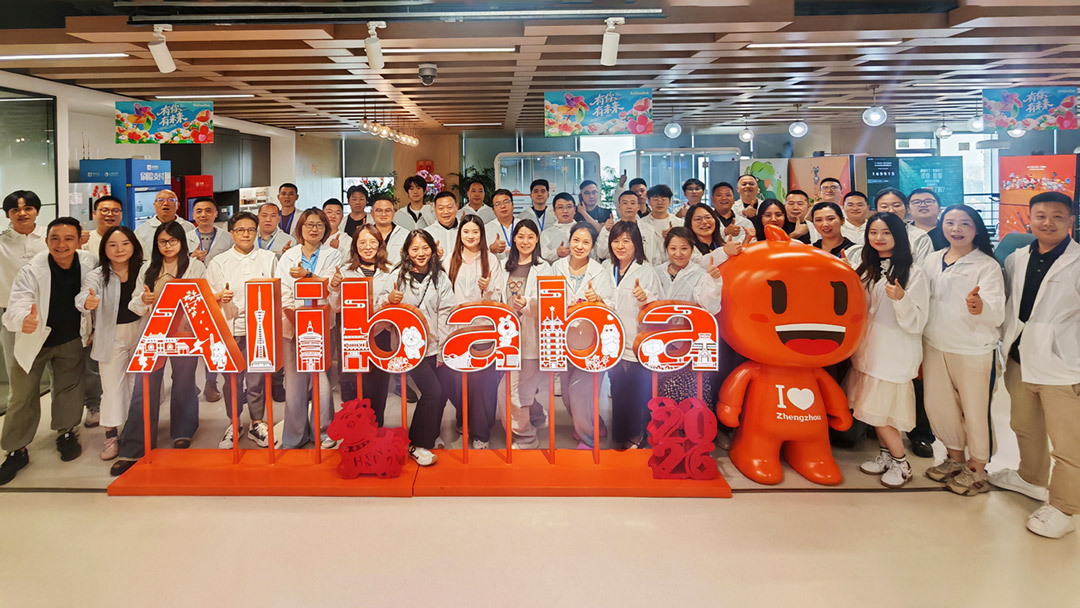
So in early June, our core team did something about it. We joined a three-day, no-fluff deep dive in Zhengzhou, China—organized by Alibaba's Midwest China division—alongside some of the sharpest exporters in the country. Not a trade show. Not a factory tour with tea and brochures. This was a "show us your data, show us your screw-ups, show us what actually worked" kind of session.
We walked in with questions. We walked out with a fundamentally different way of thinking about what we ship.
Here's the thing: your card is not just a card. It’s a local object that lands in someone’s hand in a specific city, in a specific culture, with a specific expectation. If we don't engineer for that local reality, we're just putting ink on plastic and hoping for the best. We're done hoping. Here's what we're doing instead.
Stop Sending the Same Card Everywhere. Seriously.
One of the exporters we sat down with put it bluntly: "The card that wins in Moscow loses in Jeddah." That landed.
We spent years building a solid product line—PVC loyalty cards, metal membership cards, NFC smart cards, acrylic keycards. Good products. But we were positioning them too broadly. Here's how the conversation reframed our thinking, and how it directly benefits you when you work with us.
Russia and Eastern Europe: It's Not Just About "Cold"
Yeah, we knew it gets cold in Russia. What we didn't fully appreciate was how much that dictates material spec, not just shipping choices. A standard PVC card can turn brittle in extreme cold. Embossed numbering can trap moisture and freeze. These are tiny details that cause big headaches.
We're now recommending cold-flex PVC formulations for clients targeting this region. We're also paying much closer attention to lamination bonding strength. This isn't a premium upsell; it's a functional requirement we didn't talk about clearly enough before. Now we lead with it.
The Gulf and Middle East: The Unboxing Happens in the Hand
A buyer in Dubai or Doha isn't just handing over a card. They're making a statement. We saw example after example of heavy-gauge stainless steel cards—0.5mm and thicker—with deep micro-etching, used not just for VIP access but for everyday corporate identity. The card is the credential.
We used to pitch metal cards on durability. Wrong angle for this market. Now we talk about heft, finish, and the sound it makes when it hits a desk. Acrylic cards also play here, but in thicker profiles (think 5mm to 8mm) with polished edges that catch light. If your Middle East launch pack doesn't include a physical sample kit with these weight options, you're guessing. We don't guess anymore.
Central Asia: A Hybrid Play We Almost Missed
This one caught us off guard. The demand in places like Kazakhstan isn't purely luxury or purely utilitarian. It's hybrid. Think: a matte-finish PVC card with an embedded NFC chip for cross-border logistics tracking, or a metal card that has to survive dusty environments without scratching to death.
We're now building out a specific "hybrid functional" category that sits between our standard and premium lines. It addresses a need we wouldn't have spotted without this trip. That's the kind of market intel that gets baked into the questions we ask you upfront—before a single card is printed.
Know Who's Buying Before You Design What to Sell
Another exporter shared a framework that has since reorganized our entire client intake process. It boils down to this: Stop selling cards. Start solving for a specific buyer persona.
We mapped this out on the whiteboard in our Zhengzhou hotel room, and it's since become a living document in our office.
When you reach out through coluf, our first round of questions isn't "How many?" It's "Who's holding the card, and where?" If a supplier doesn't ask you that, they're just order-taking. Order-takers get you generic cards.
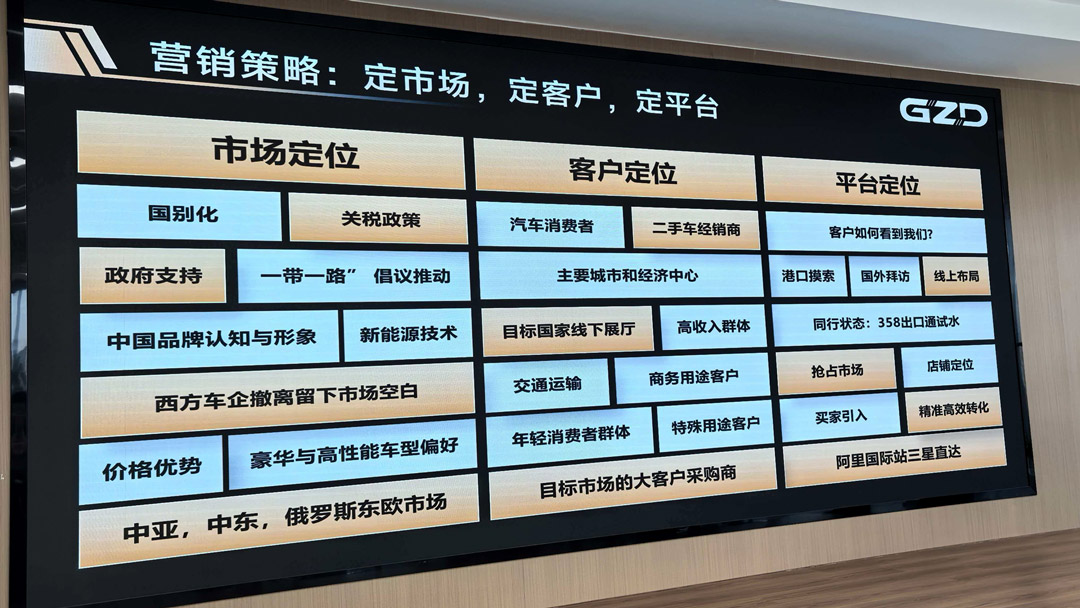
How a Buyer Finds You—and How a Supplier Earns Trust
This whole trip also forced us to look hard at our own digital storefront. We asked the room: "When a buyer searches for custom metal NFC cards, what do they need to see in the first 10 seconds?"
The answer wasn't "our company history." It was: proof of precision. Close-ups of engraving depth. A clear table of chip types. An honest statement about lead times.
To the clients who've trusted us, and to the ones currently evaluating suppliers: The Zhengzhou trip wasn't about collecting business cards or posing for group photos. It was a hard look in the mirror. The market has changed. Our playbook has changed with it.

COLUF specialize in plastic printing, RFID solutions, and commercial printing services for global businesses.
Copyright © Chongqing Colorful Technology Co., Ltd. All Rights Reserved
 EN
EN