We’ve been in the printing business in Chongqing since 2011, moving into cross-border exports back in 2019 to focus on global card printing services. Recently, we gathered team members from our Sales, Marketing, Production, and Overseas Operations departments at the Garden Hotel in the Liangjiang New Area to jointly hold our Q1 2026 Work Review Meeting, as well as a specialized training session on the application of new digital tools. The goal was simple: look at where we stand after the first three months of the year and learn how to use current software to handle our data more efficiently.
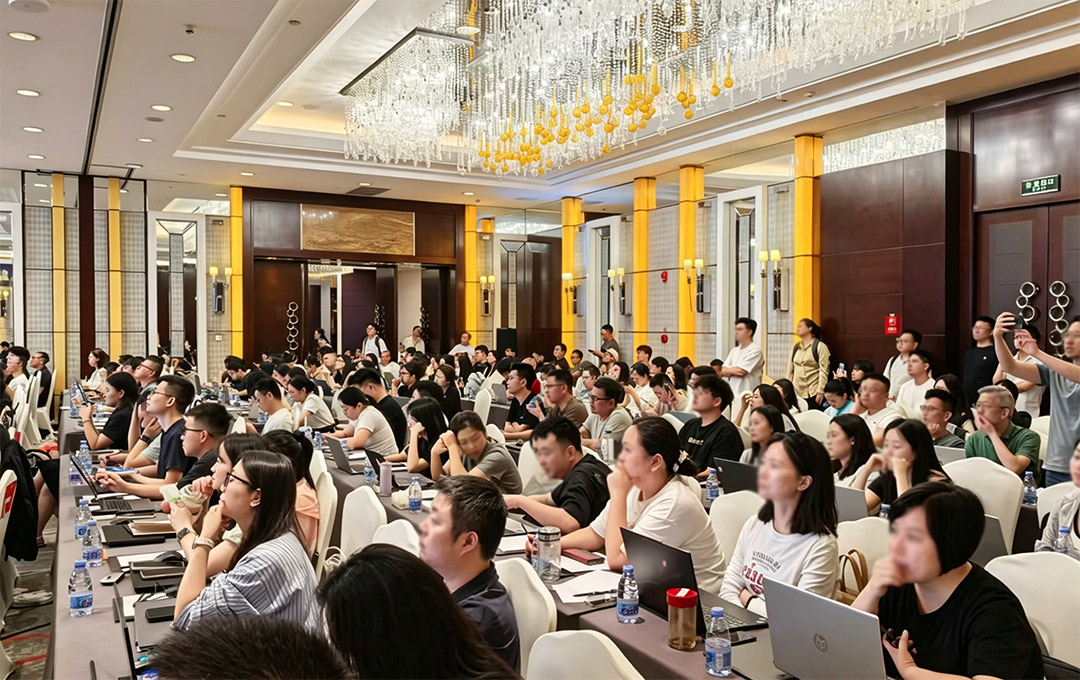
Why We’re Changing How We Handle Data
The reality is that how we manage cross-border manufacturing has changed a lot in the last two years. For a factory like ours that relies on E-commerce platform traffic and direct bulk orders, manual data entry just doesn’t cut it anymore. In most cases, it used to take us dozens of hours every quarter just to sort through performance stats, screen potential customers, and build market reports. We realized that if we want to keep up with the market, we need to offload that repetitive work to digital tools so our team can focus on the actual printing business.
Breaking Down Our Q1 Performance
The first part of our training was a deep dive into our Q1 numbers. Instead of manually tallying spreadsheets, we practiced importing our order, cost, and customer data into analysis platforms. Within minutes, these tools can show us exactly where order volumes are shifting, which regions are buying more, and which of our products are actually trending.
Having these visualized reports makes it much easier to pinpoint our profit margins and spot the operational gaps we missed before. From a production standpoint, this is a game-changer for scheduling; we can now align our raw material inventory and factory floor plans with what the data is actually telling us about market demand.
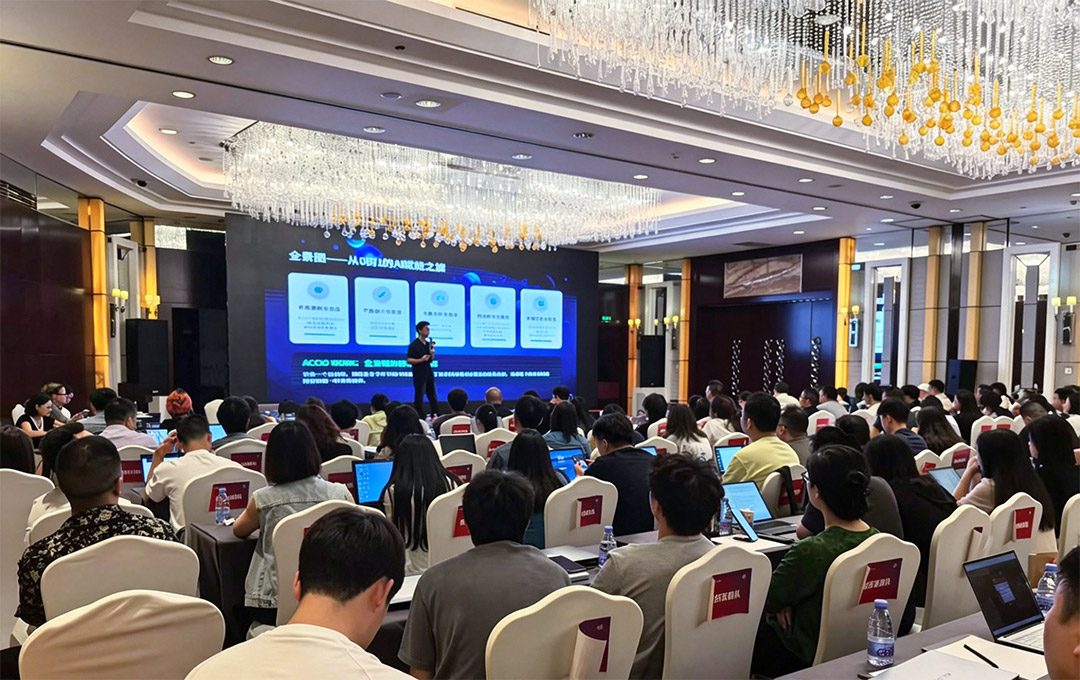
Smarter Outreach and Client Management
The highlight of the session was looking at how we manage our global buyers. A common mistake in export business is the "blind" development approach, where you treat every inquiry exactly the same.
We’re moving toward a model where we tag clients based on their actual behavior—things like order volume, what kind of cards they prefer, and how often they return. For example, our outreach plan for a high-end custom NFC card wholesaler in the Middle East looks very different from how we approach a small-batch merchant in Europe. By tailoring our contact, we’re cutting out a lot of the invalid marketing spend that doesn't lead anywhere.
Making the Factory More Efficient
This shift isn't just for the sales team—it benefits the entire chain. When we automate the preliminary screening of inquiries and set up follow-up reminders, our staff suddenly has a lot more time to spend on high-value work, like negotiating complex custom printing solutions or developing new product prototypes. We’ve found that by keeping up with these digital upgrades, we stay far more competitive than we would if we stuck to our old, manual habits.
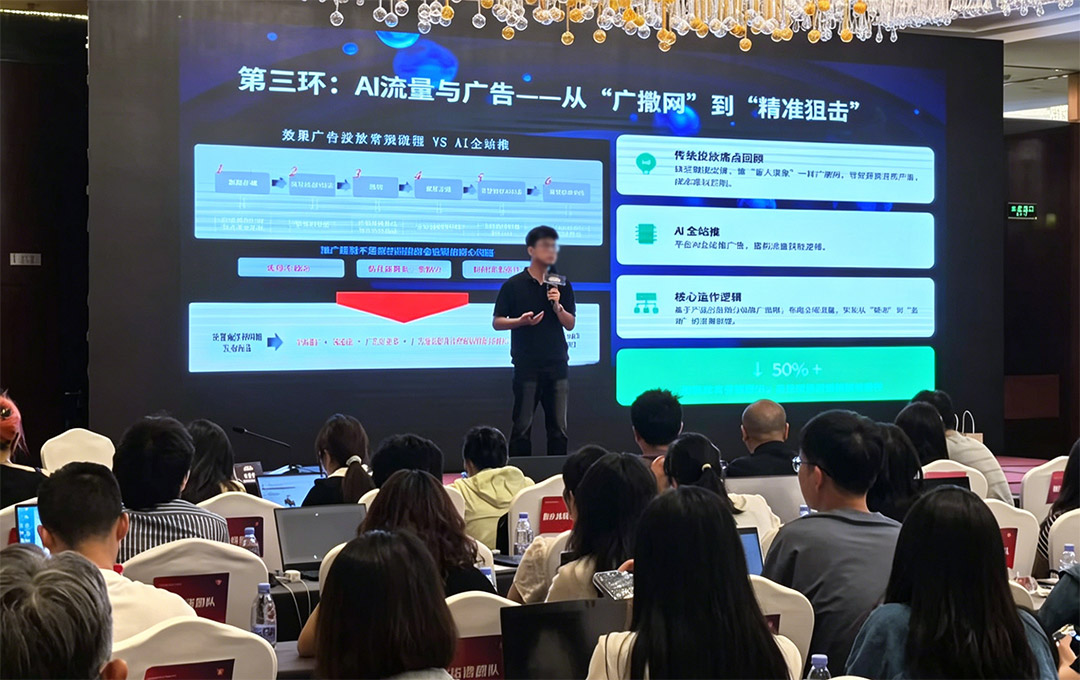
Our Plan for the Rest of 2026
The workshop in Chongqing was just the beginning. Starting in Q2 2026, we are rolling out these standardized operational rules across every department. Moving forward, we plan to combine these periodic data reviews with our existing global marketing strategies to keep expanding our reach. We are keeping a close watch on how these tools evolve so we can update our internal standards in real-time. Our aim remains the same as it was in 2011: to maintain steady growth and build long-term cooperative relationships with our printing clients worldwide.

COLUF specialize in plastic printing, RFID solutions, and commercial printing services for global businesses.
Copyright © Chongqing Colorful Technology Co., Ltd. All Rights Reserved
 EN
EN